News
second test test
Kingdom's Gallery Tours
Journey Beyond the ordinary
Home/Destination Info

Destination Guide

Thimphu

Thimphu Capital

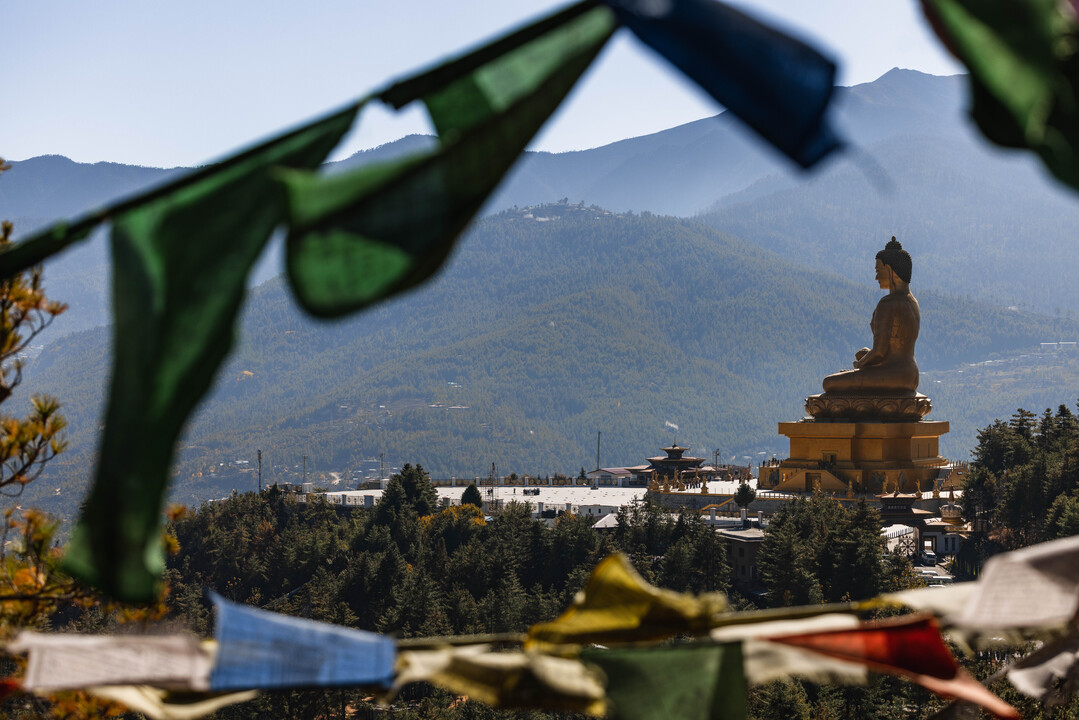
Thimphu, the capital city of Bhutan, is located on the western side at an elevation of 2400 meters above sea level, a unique city with a population of just over one hundred thousand, located along the Wangchu River valley.

The capital city, Thimphu, offers a unique perspective on architectural development, where modernization is infused with traditional design. Unlike most capitals, it does not have a traffic light or airport, the traffic is controlled with rhythmic hand gestures by friendly police standing on top of a traditional canopy.
Best Time to Visit

Jan Feb Mar Apr May Jun Jul Aug Sep Oct Nov Dec
Punakha

Punakha Fortress

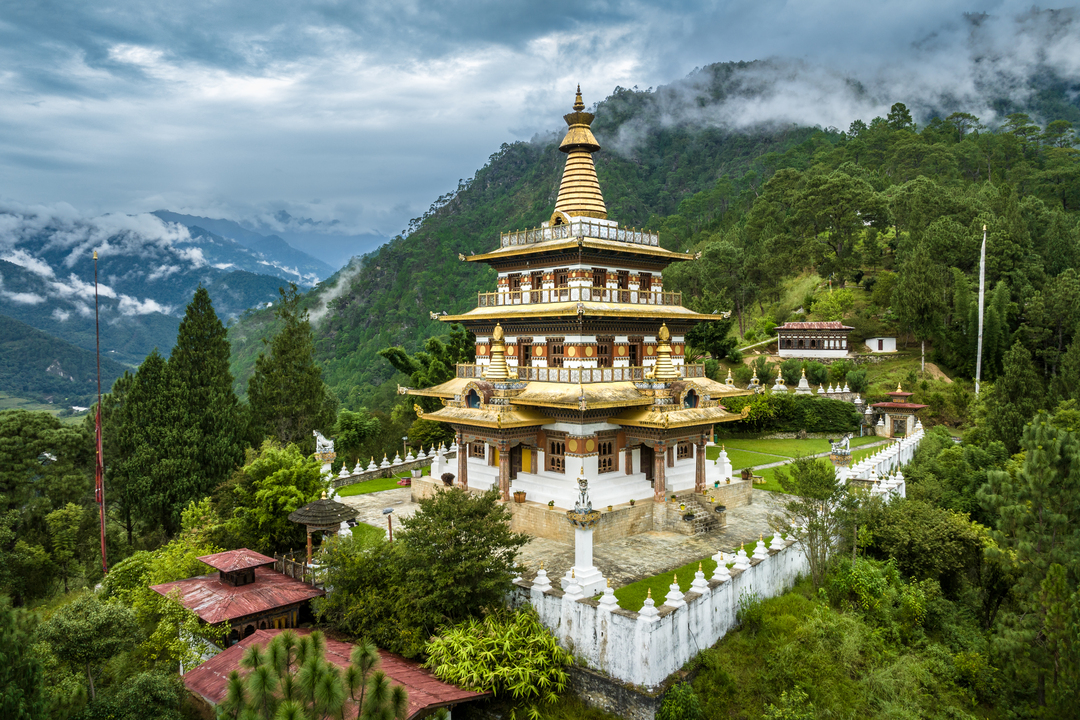
Punakha is a hot temperate district located at an elevation of 1200 meters above sea level with a small town. It is the Punakha fortress that gives the edge over other districts in terms of importance as well as attraction.

The fortress is built at the confluence of two rivers, which was prophesied by Guru Padmasambhava; it also served as the capital of Bhutan until 1955. Today, it houses the embalmed body of the Zhabdrung Nagwang Namgyal (founder of Bhutan) and Rangjung Kharsapani, the self-arisen Avalokiteśvara.

Best Time to Visit

Jan Feb Mar Apr May Jun Jul Aug Sep Oct Nov Dec
Paro

Paro Valley

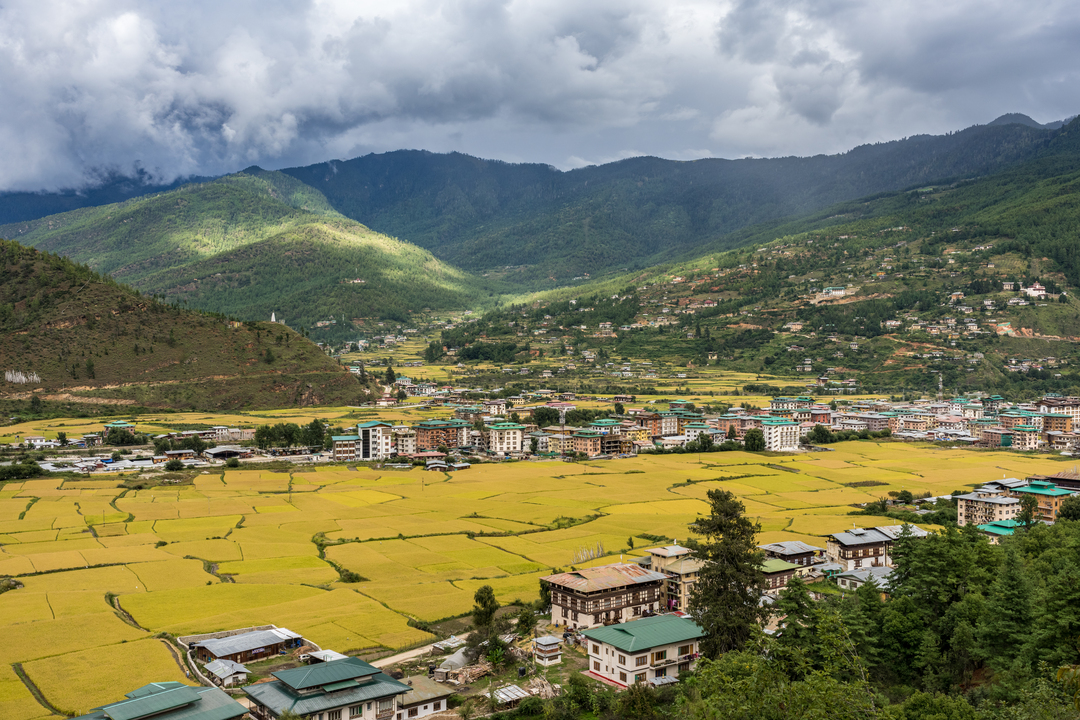
Paro is located on the western side at an elevation of 2300 meters above sea level. The only city in Bhutan with an international airport is located between the Paa Chuu River and paddy fields. It’s referred to as the rice bowl of Bhutan for its highest rice production, but it is more often known for preserving traditional wooden-style houses in the town.

Paro also offers the best spiritual destination as well as trekking routes for guests who wish to travel for fewer hours on roads.

Best Time to Visit

Jan Feb Mar Apr May Jun Jul Aug Sep Oct Nov Dec
Wangdue

Wangdue Phodrang

Wangdue Phodrang is a hot temperate district at an elevation of 1270 meters above sea level. It is well known for having one of the most picturesque valleys, called Phobjikha Valley. If one visits the valley shall feel the slow energy it gives in relaxing, and best place to take a lone walk within the vast valley or for a short hike.

The valley is a well-known winter resting place for the endanger black neck crane from October to February. It’s perfect if you are seeking to relax and stay away from the crowd and cars.

Best Time to Visit

Jan Feb Mar Apr May Jun Jul Aug Sep Oct Nov Dec
Trongsa

Trongsa Dzong

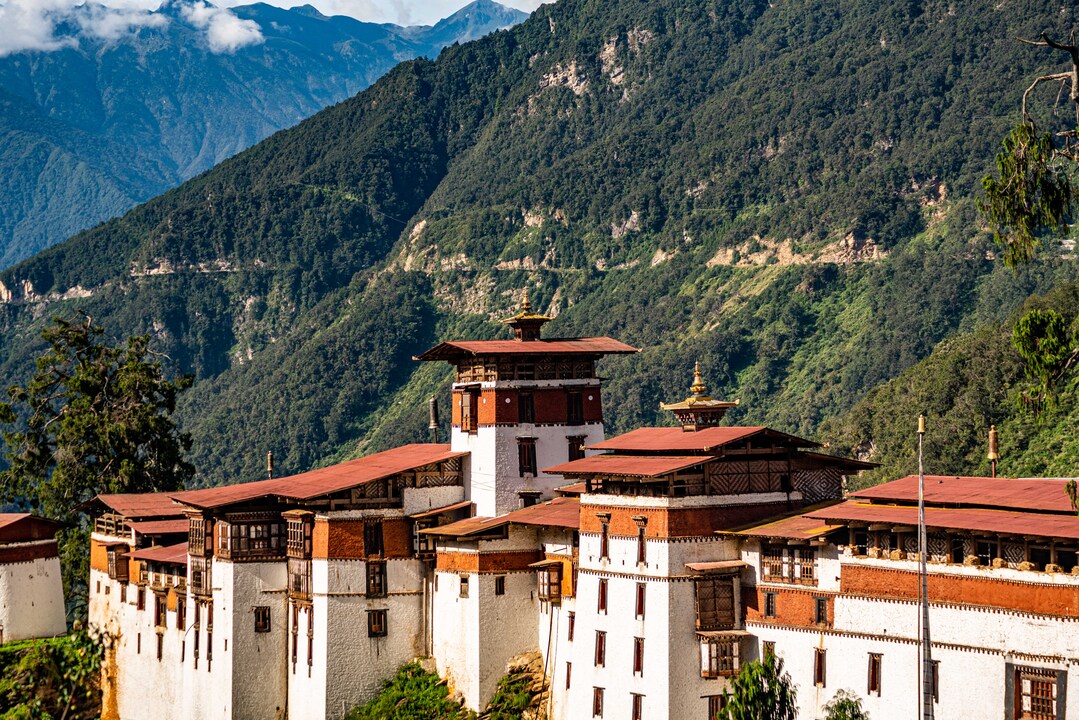
Trongsa is considered the central part of Bhutan, located at an elevation of 2200 meters above sea level. Once, it was considered the corridor of power since the Trongsa controlled the entire country. It is the birthplace of all monarchs since the king must serve as Trongsa Penlop (Governor) before becoming a king.

Best Time to Visit

Jan Feb Mar Apr May Jun Jul Aug Sep Oct Nov Dec
Haa

Haa Valley

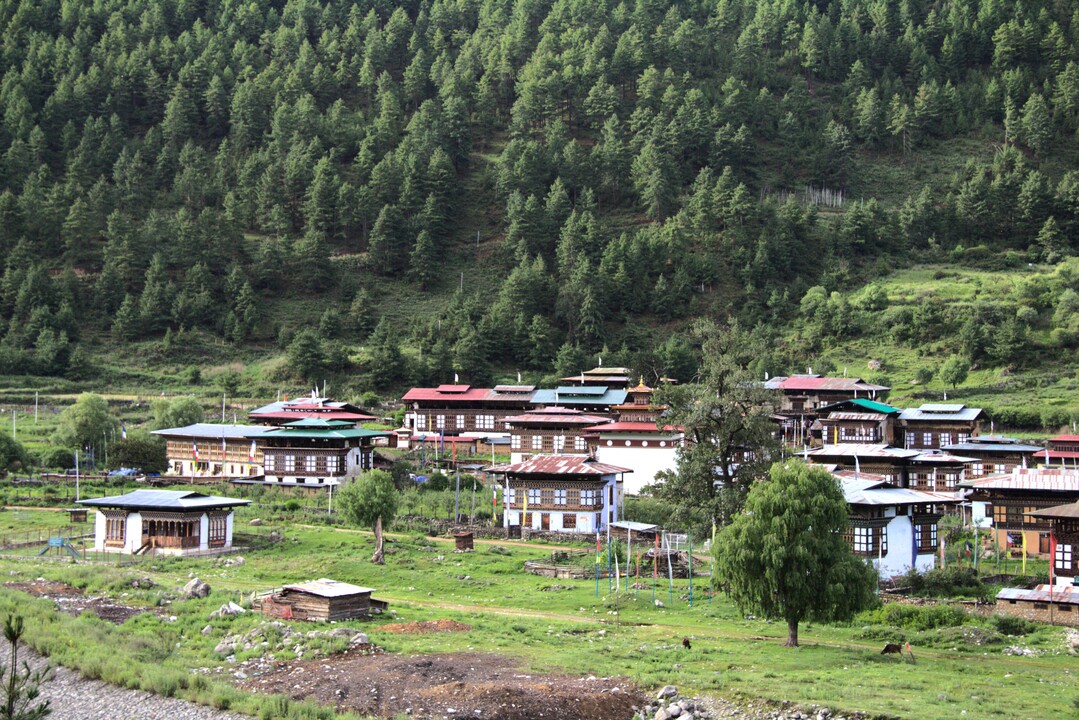
Haa is a cold region sitting at an elevation of 2700 meters above sea level. It is a narrow valley flanked by sacred mountains. Unlike the western side, the Haa valley was closed until 2002, today it offers a truly authentic, peaceful side of old Bhutan. It is even considered a biodiversity hotspot where rare red pandas and 23 species of rhododendron are found.

Best Time to Visit

Jan Feb Mar Apr May Jun Jul Aug Sep Oct Nov Dec