News
second test test
Kingdom's Gallery Tours
Journey Beyond the ordinary
Home/ Packages/ Dagala trek

Dagala trek
Bhutan

Dagala trek

About This Journey

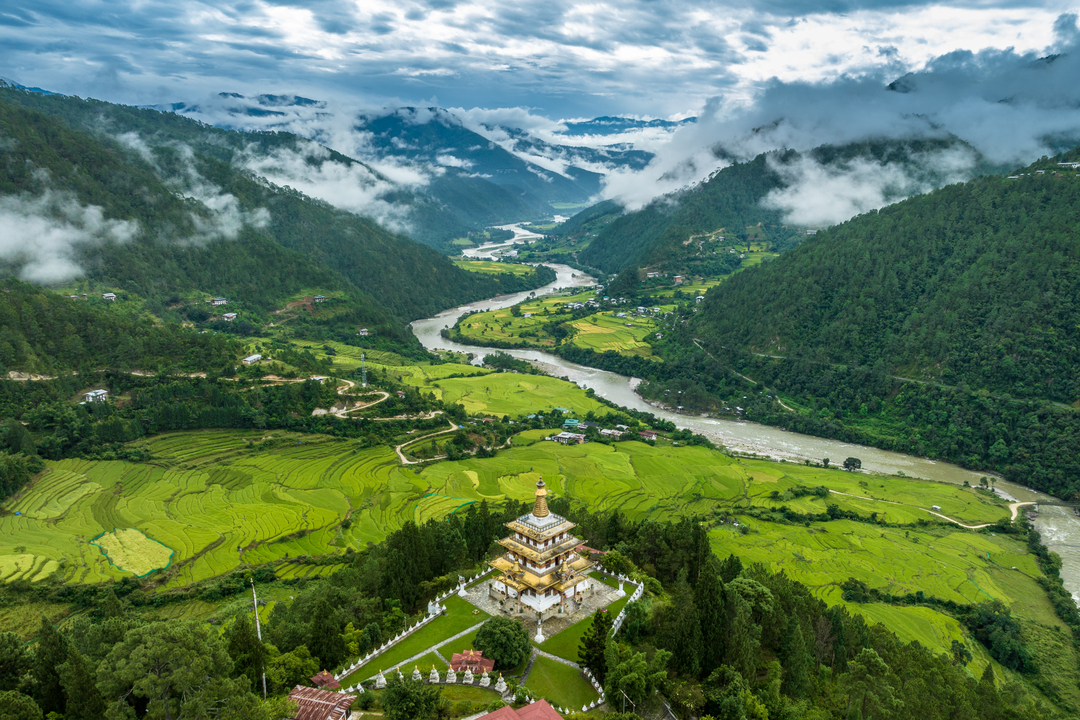
Dagala trek is a moderate to strenuous trek in Bhutan and is considered one of the best
options for trekkers possessing good physical fitness. The hiking trail ranges from around
4300 meters above sea level. The trail features crystal clear lakes like Reli Tsho, Jama Tsho,
and Hen Tsho. On a clear day, while hiking, hikers can see the mountains of Sikkim and even
Mt Everest and Kanchenjunga. So be ready to witness stunning landscapes and mountains,
and take back memories and photos.

Full Itinerary

01
Day 1  Arriving at Paro International Airport
District: Paro

Upon arrival at Paro International Airport, complete immigration procedures and collect your
luggage. Our representative, a professional certified tour guide and a driver, will greet you
with the white scarf (khadar) symbolizing the Bhutanese tradition of welcoming the guest.
Then we will check into the hotel and have lunch there. Perhaps you can ask the guide why
the white scarf is used to welcome any guest. after the lunch, we will visit the National
Museum and Paro Ringpung Dzong.
Overnight stay in hotel or resort in Paro

02
Day 2  Hike to tigers (Taktsang)
District: Paro

It will take approximately 5 hours round-trip at a normal pace. The best advice is to start
early so that the sun doesn’t beat your energy later on and spend a good amount of time at the
shrine meditating. Some of the reasons for considering the Tiger's Nest as important are
related to a visit of Guru Padmasambhava in the 8th century. During his second visit, it is
believed that he visited the tiger nest to subdue and tame the local deity called Singay
Smadrup there and turn him into the protector deity of that place. To know more about the
reason for his second visit, one must read the summary about the creation of Druk Yual on
this website page.
Overnight stay in hotel or resort in Paro

03
Day 3  Paro- Ganekha -Gur
District: Paro

• Distance - 7km.
• Estimate time -5 hours.
• Campsite altitude 3,290m.
The trek begins from Gyenkha, a 55-minute drive from the hotel, our journey will start with a
descent towards a river, and from There we will climb up hill towards a rocky platform from
where We can enjoy a breath-takin view of the surrounding valley. After another two hours,
we will reach our campsite at Gur.

04
Day 4  Gur- labatama

• Distance 12km
• Estimate time -6 hours
• Camp sight altitude- 4300m
We will be trekking through alpine vegetation and walking through sturdy landscape. The
trekking path will lead you through the fresh alpine meadows covered with colourful flowers
and spring water. As soon as we cross the first pass, we will be greeted with a magnificent
view of the world’s third highestmountain, Kanjenjunga. After a while, we will be entering
the Dagala range, showcasing its nomadic lifestyle of yak herders with their huts. We will
finally descend towards our campsite which is located near Uthso Tsho lake, giving us both
tranquillity and protection from the lake deity.

05
Day 5  Halt in Labatama

Absorb and relish the beauty of the landscape and nature. You can undertake an excursion to
any of the three surrounding lakes
• Reli Tsho,
• Hen Tsho
• Jama Tsho and
• Or try trout fishing
Remember, while trout fishing, you will release the fish back to lake after holding and taking
pictures.

06
Day 6  Labatama – Panka

• Distance - 8 km
• Estimate time - 7 hours
• Campsite altitude – 4100m
We will trek towards the trail along the western side of Dala Lak. After that, you will witness
and take moment to see and appreciate the mighty nature’s marvel of Himalayan peaks, truly
majestic and untouched, led by Everest and others like Kanchenjunga, Jomolhari, Jichu
Drake, Tshering Gang, Masang Gang, Tsende Gang, and Gangche Ta. After that, we will
descend towards the Doccha Chhu river, and trek along the river course for a while until we
reach our campsite at Panka.

07
Day 7  Panka- Talakha

• Distance -8km
• Estimate time – 6 hours
• Campsite attitude - 3100m
After witnessing the snow-capped mountain and crossing several rugged mountain passes,
you will enjoy today’s hike without any major ascent involved. Along the way, you will see
high altitude birds like the Himalayan Monal, Tragopan, and Blood Pheasant. Even rare blue
poppy during June- July. Then we all ascenttowards the Talakha monastery and camps near
the monastery.

08
Day 8  Talakha – Chamgang – Thimphu

• Distance 6 km
• Estimation – 3 hours
• No campsite, back to your hotel.
After offering our prayers and lighting butter lamps at Talakha Monastery, we will descend
towards Chamgang village via a feeder road. You will then be driven to your hotel in
Thimphu and rest of the day.

09
Day 9  Thimphu sightseeing

National Memorial Chorten
Built in the memory of his majesty late Druk Gyalpo, third king of Bhutan, Jigme Dorji
Wangchuk, by his mother, Ashi Phunstho Choden. The late third king, Jigme Dorji
Wangchuk, died at a very young age. He is referred to as the father of modern Bhutan for his
work in shaping and driving Bhutan towards modernization.
Bhuddha dordhenma
Built in a 900-acre park to conserve the natural environment around it. It was built keeping
with the prophecy of lama Sonam Zangpo, according to which a statue built facing the south
of Thimphu would be instrumental in bringing peace and stability in the country.
Royal Takin Park
If one wishes to see the national animal of Bhutan in life, then one must visit the Royal Takin
Park. According to the Bhutanese myth and folklore, it is believed to have been miraculously
created by lama Drukpa Kuenley, or the divine madman, during the 14th century by
affixing the carcass of a goat's head to the body of a cow, giving it its unique appearance.
Simply Bhutan – living museum
This one particularly shows the inside of Bhutan in a very traditional way. After reaching
there, a female in-house guide will take over the guest and let you all experience how a guest
was welcomed in Bhutan in olden days with the offering of locally brewed alcohol called ara.
After that, one can witness how traditionally houses are built using damp soil and repeatedly
ramping it, and with it a song being sung, cheering and urging the other person to fetch the
damp soil quickly. You will also have the opportunity to try archery, Bhutan's national sport.
Overnight stay in Thimphu hotel or resort

10
Day 10  Thimphu – Punakha

On towards Punakha District in the morning and stop at Dochula Pass, the weather up there
would be quite cold compared to Thimphu, cause by then you would have ascended to 3100
meters above sea level. Beyond this, the central attraction of this place is the 108stupas built
to honour the fallen Bhutanese soldiers and Druk Wangyal Lhakhang built to honour the
bravery of the 4th Druk Gyalpo for leading the army himself in the war in 2003 to flush out
The Indian insurgents who were occupying the Bhutanese territory.
Chimmi Lhakhang
This temple is well known for giving blessings to infertile women to conceive and bless the
newborn children, so you will witness newborn children brought up there and women
carrying a phallus and circling the temple in a clockwise direction. The place is renowned for
Bhutanese as well as foreigners who believe and have been blessed with children and
protection from the local deity. The reason the temple is called the temple of fertility is
related to the Tibetan Buddhist master Drukpa Kuenlay, who is often called by Westerners
the Divine Madman. Drukpa Kuenlay was known for his eccentric and unconventional way
of teaching Buddhism. He did not believe in institutional establishment to spread Buddhism;
rather, he used an unorthodox way of teaching and enlightening individuals. Canting,
sexually abusive verbal, and showing his phallus to subdue demons and evil spirits were
some of his methods.
Punakha Dzong
The Punakha Dzong, also known as Pungthang Dewa Chhenbi Phodrang (the palace of great
happiness). Constructed in the year 1637 by Zhabdrung Ngawang Namgyal to fulfill the Guru
Padmasambhava's prophecy. It is known for its majestic architectural designs and sacred
relics. The dzong houses the sacred relics, including the Rangjung Kharsapani and the sacred
remains of zhabdrung Ngawang Namgyal. The dzong is located between the Pho chhu (male)
and Mo chhu (female) rivers. Today, it serves as the winter residence of the monastic body,
where they spend 6 months in Punakha Dzong and migrate to Thimphu during summer.
Overnight stay in a hotel or resort in Punakha

11
Day 11  Punakha to Paro

While returning to paro we will visit Sangchhen Dorji Lhuendrup Nunnery. A nunnery is a
monastic establishment where only women dedicate their lives to practicing dharma. It
was built by Yab Ugyen Dorji and Yum Thuji Zam (they are parents of the queen mothers of
Bhutan) in 2008 and completed in 2010. It’s believed that the purpose of establishing this
nunnery was according to the prophecy made by the 69th abbot Khenpo Je Gadhen Rinchen.
Today, this establishment serves as a college and supports around 120 nuns.
A brief farewell ceremony will be held during dinner in the hotel at paro.
Overnight stay in a hotel or resort in Paro

12
Day 12  Departure

Duration 12 Days
Difficulty Moderate
Customize Your Trip Enquire First